
Escape VR App
A virtual reality reading experience that transforms books into immersive, interactive worlds.
Overview
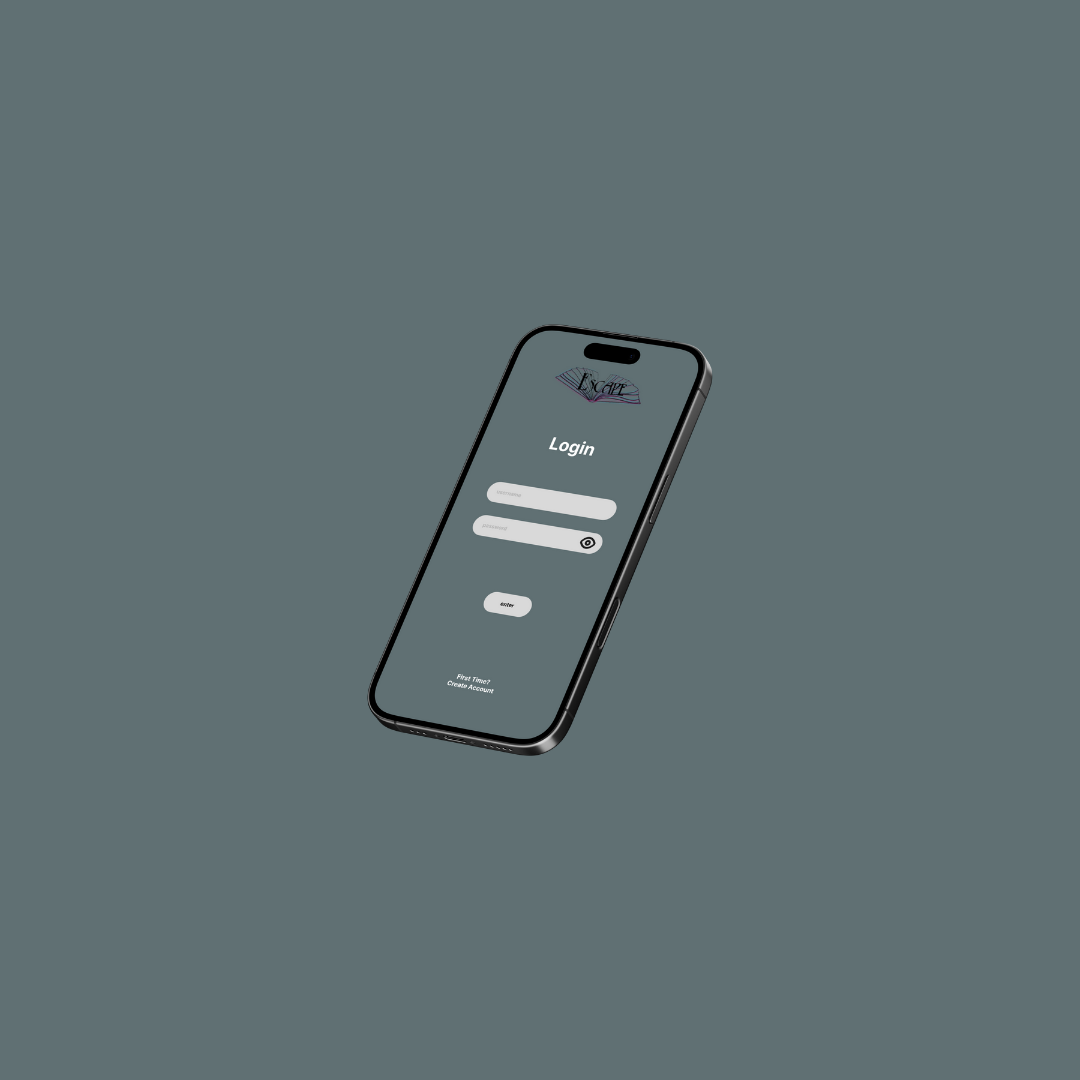
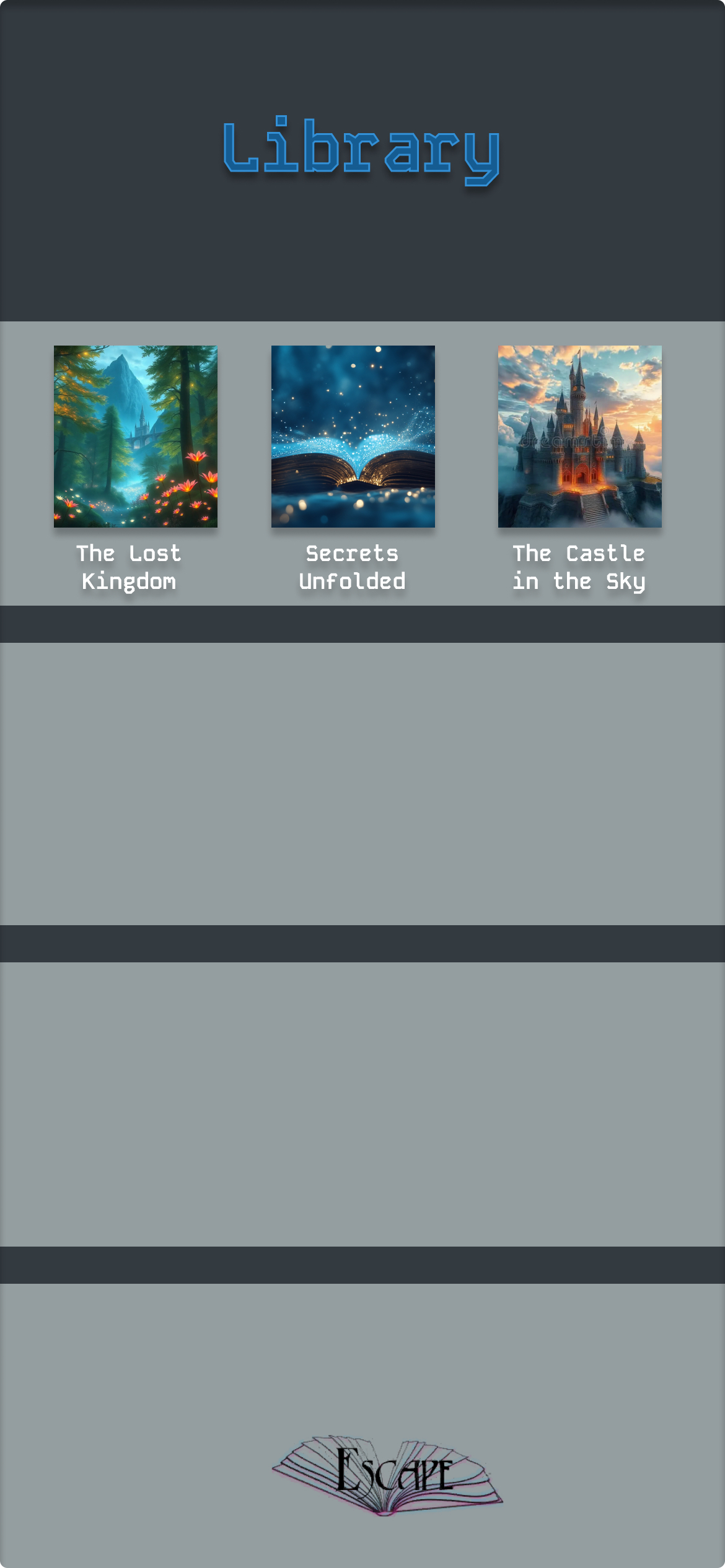
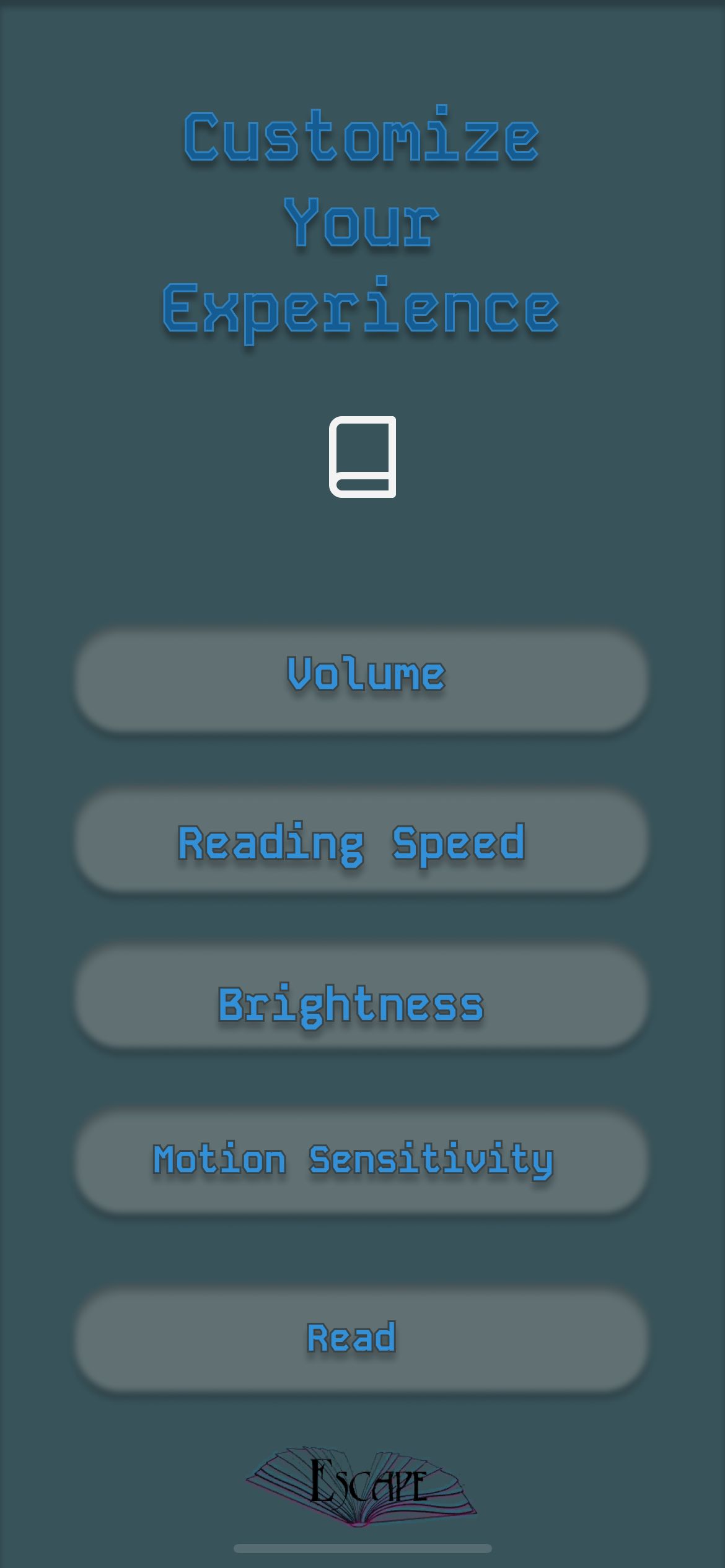
Escape VR is a conceptual UX system that reimagines reading as an immersive, multi-sensory experience through virtual reality, supported by a companion mobile application. The project transforms traditional text-based reading into an interactive environment where users are placed inside the narrative world of a book. Visual, spatial, and auditory elements dynamically respond to the story, creating a more engaging and emotionally connected reading experience. In parallel, the companion app functions as a control hub where users can manage their personal library and customize their VR experience through settings such as brightness, reading speed, motion sensitivity, and audio levels. This ensures the system is adaptable to a wide range of user needs and accessibility requirements. Developed in Figma, this project explores how storytelling can be expanded beyond the page into an accessible and personalized digital experience.
Strategy
- Target Users: A broad audience of readers including students, children learning to read, casual readers, and accessibility-focused users such as individuals with dyslexia or attention-related reading challenges.
- Design Approach: Develop a dual-platform ecosystem that combines a VR reading environment with a companion mobile application for control, customization, and accessibility settings.
- Core Concept: Reimagine reading as an immersive, multi-sensory experience by translating narrative text into interactive spatial environments that respond dynamically to the story.
- Goal: Increase engagement with reading while improving accessibility, comprehension, and emotional connection to storytelling through immersive design.
Process
The design process began with research into user reading behaviors across digital and traditional platforms, identifying key challenges such as lack of engagement, difficulty maintaining focus, and accessibility barriers for certain users. From these insights, I developed the concept of a VR-based reading system supported by a companion mobile application. This system was designed to bridge storytelling with spatial and sensory interaction, allowing narrative environments to be experienced rather than simply read. I then mapped the interaction flow between the VR experience and the mobile app, focusing on how users would navigate their library, launch books, and adjust immersive settings in real time. The interface design was developed in Figma, with an emphasis on clarity, accessibility, and intuitive control systems that support both first-time and advanced users. Iteration focused on simplifying customization options while maintaining a strong sense of immersion within the VR environment.
Final Design
Outcome
The final outcome is a conceptual VR reading system called Escape VR, paired with a companion app that reimagines how users engage with books. Instead of passively reading text, users are immersed inside the narrative world through virtual reality, where environments, sound, and visual elements respond to the story in real time. The companion app enhances this experience by allowing users to manage their digital library and customize key settings such as brightness, reading speed, motion sensitivity, and audio levels, ensuring comfort and accessibility for different user needs. This project, developed in Figma, demonstrates how traditional reading can be transformed into a multi-sensory, interactive experience that supports engagement, accessibility, and deeper emotional connection to storytelling.